When Machine Learning Joins the Attackers: A Compliance Perspective

Sometimes a news story feels like a plot point from science fiction. In early 2026 a threat intelligence team from a major cloud provider discovered that a financially motivated actor used commercially available artificial intelligence tools to compromise more than six hundred firewall appliances across more than fifty countries. Rather than exploiting unknown vulnerabilities the intruder relied on an automated workflow. Generative models helped a single operator develop reconnaissance tools plan attacks and write code that scanned exposed management ports and guessed weak passwords. Once inside the attacker dumped device configurations harvested directory service credentials and went after backup infrastructure. Investigators described the operation as an assembly line for cybercrime because automation and artificial intelligence reduced the time and expertise required to deploy large scale attacks.
This story is a powerful companion to the Payment Card Industry Data Security Standard revision that came into effect recently. The update clarifies that multifactor authentication is not required when accounts use phishing resistant factors adds guidance about responsibilities when companies work with third party service providers and introduces definitions for phishing resistant authentication legal exception and visitor. These seemingly small changes underscore a larger truth. Most breaches still hinge on poor fundamentals. In the artificial intelligence assisted firewall incident the intruder succeeded because organizations left administration interfaces open and relied on weak single factor logins. The standard’s updates emphasize that compliance and security are about the basics, strong authentication, vendor due diligence, and continuous monitoring.
- A double-edged sword
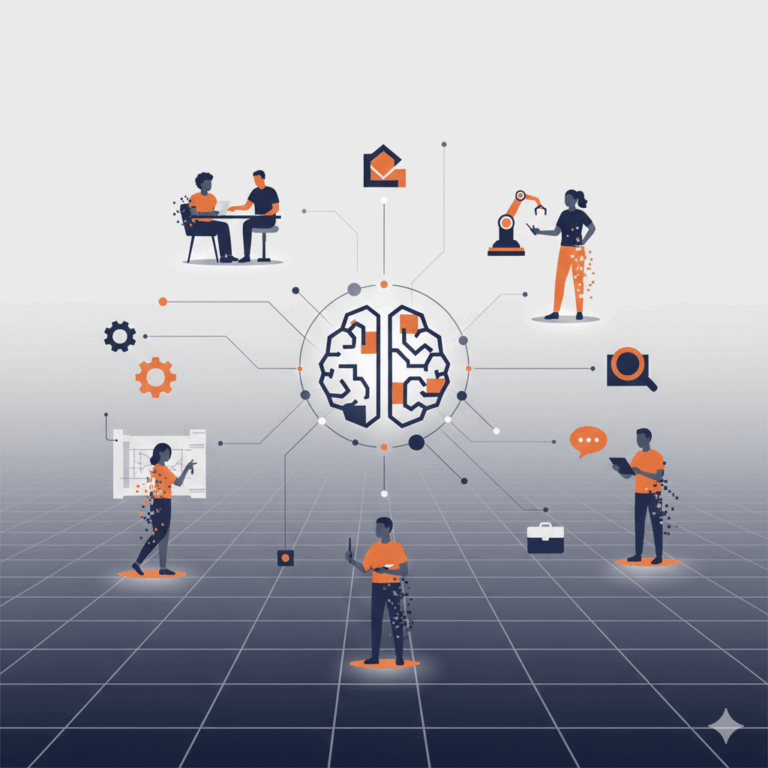
Artificial intelligence is often celebrated as a game changer for defenders. Machine learning models help sift through billions of log entries to find anomalies, prioritize vulnerabilities, and assist with secure coding. When used wisely artificial intelligence can speed up incident response and streamline compliance reporting. The early 2026 attack shows that criminals can benefit as well. What once required a team of highly skilled hackers can now be orchestrated by a single operator with access to a few generative models. As machine learning becomes a commodity, we should expect more opportunistic attacks from unsophisticated actors who use the technology to magnify their reach. That means organizations must adopt artificial intelligence thoughtfully and double down on fundamentals.
Lessons from the artificial intelligence assisted breach and PCI updates
When reflecting on the artificial intelligence enabled attack and the newest PCI DSS guidance, several themes emerge.
- Credential hygiene must improve. The campaign succeeded because organizations left remote administration interfaces exposed and reused easy passwords. The revision to the standard clarifies that phishing resistant factors such as passkeys and hardware tokens can replace conventional multifactor. Enforce unique complex credentials, rotate them regularly and restrict administrative interfaces to trusted networks.
- Your supply chain is part of your attack surface. News reports in February described a data protection incident involving a licensing partner of a large consumer brand. Attackers allegedly stole hundreds of thousands of customer records through the partner’s systems. The latest PCI guidance devotes more attention to the relationships between organizations and their service providers. Perform regular assessments on vendors that handle payment data and ensure they meet your security standards.
- Artificial intelligence needs guardrails. If you adopt machine learning for threat detection or compliance tasks, treat it like any other critical system. Ask vendors how their models handle sensitive data, whether outputs are reproducible and how they integrate with your existing controls. Use automation to augment your team rather than replace it. Remember that attackers are experimenting with the same tools.
- Deadlines are approaching. The new version of the Payment Card Industry Data Security Standard retires its predecessor at the end of 2024 and does not change the 31 March 2025 date when new requirements become mandatory. Many organizations delayed their compliance initiatives during the pandemic. Now is the time to conduct gap analyses, update policies and implement technical controls such as phishing resistant authentication and continuous vulnerability scanning.
Turning concern into action
These headlines can make cybersecurity feel abstract, but there are practical steps you can take now.
- Inventory and minimize exposure. Map all internet facing assets, especially those that process payments. Remove unnecessary services and restrict administration portals to internal networks or virtual private networks.
- Automate scanning and patching. Scheduled scans are not enough. Use tools that continuously monitor for configuration changes and newly disclosed vulnerabilities. Artificial intelligence driven prioritization can help focus resources on the most critical issues, but disciplined patch management remains essential.
- Train and test your people. Human error continues to be a major factor in breaches. Provide regular training on phishing, password practices, and secure coding. Conduct exercises to test your incident response plan. Even the best automation cannot help you if someone props the door open.
- Vet your partners. Build security clauses into contracts, require evidence of PCI compliance, and review your service providers’ controls at least annually. If they handle your customers’ data, their weaknesses are your weaknesses.
Navigating the intersection of artificial intelligence and compliance can feel daunting, but it is manageable with the right approach. Start by mastering the basics, adopt new technology thoughtfully and choose partners that understand the evolving landscape. Trust and preparedness remain the most valuable commodities when machines join the attackers.